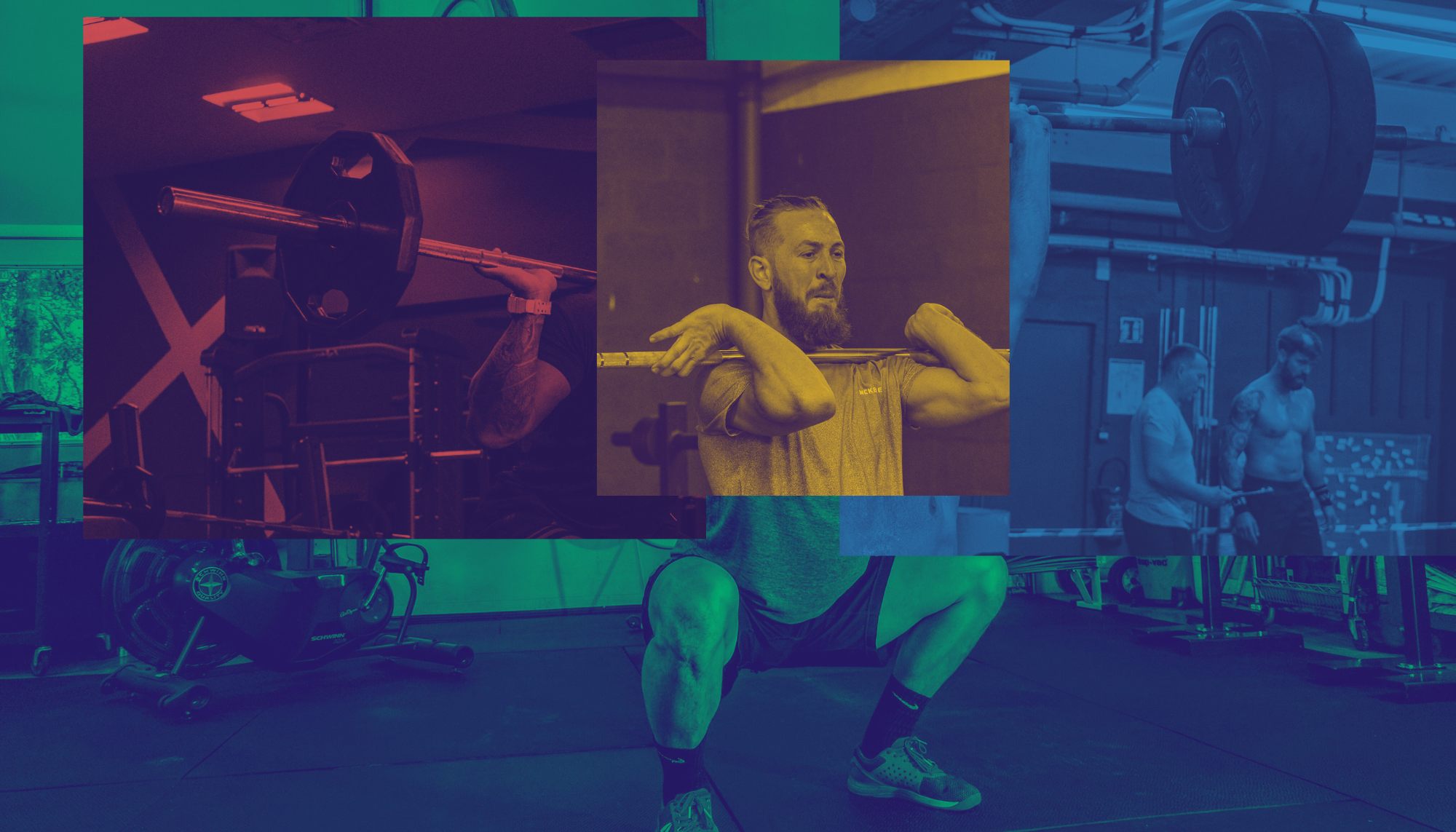
Eating disorders are a “silent scream.” According to Monte Nido, a specialized treatment center for eating disorders, “Millions of people are hiding an eating disorder every day.” Specifically, 29 million Americans today struggle with eating disorders (with an estimated 25 percent of those being men). Male eating disorders have been on the rise since the pandemic, and men are less willing to talk about these problems due to shame, stigma, loneliness, and isolation. These eating disorders are only going to get worse, as a quarter of American men under 30 today report that they have few or no close friends. As author Ruth Whippman researched last year, over one quarter of men under 30 say they have no close friends.
I used to be like that. In college, I didn’t speak for an entire month. I wore headphones on campus and during grueling workouts at the gym, chomped heaps of dining hall chicken breasts alone, sat in the back of class, and did stealth runs for vending machine candy using cargo pants to hide my shame snacks. No one noticed.
Recently, men have begun to break the silence around disordered eating and the damage of the ripped male body stereotype. Seattle Mariners catcher Mike Marjama shared his story of muscle obsession and bulimia. Like me, part of his self-imposed pressure was to make himself attractive and desirable: “If I’m going to get a girlfriend, I’ve got to get a six pack, and so I thought it I didn’t eat anything, well I wouldn’t get any fat, and then if I worked out a ton I would get big and muscular,” he told ABC News. Actor Zac Efron told Men’s Health he got sick from taking diuretic pills and suffered from insomnia and depression while staying shredded for Baywatch. And big, badass, bulky Terry Crews told Guideposts about why he sought such a huge hulking body: “What I couldn’t let anyone—even myself—see was that inside I felt inadequate and vulnerable, like the seven-year-old boy I used to be.” There are also numerous treatment books by doctors and self-help articles by experts.
But how many young men know about all this discussion? Not many, I would argue. “Many people, including healthcare professionals, are still unaware that eating disorders can occur in men,” said Dr. Jason Nagata, a physician specializing in eating disorders at the University of California, San Francisco and author of the book Eating Disorders in Boys and Men, in a conversation with Archer Magazine. As noted by Dr. Sarah Smith, an attending physician in the department of psychiatry at The Hospital for Sick Children in Toronto, “Males with eating disorders often speak about friends, families, clinicians and others in position of authority including teachers not recognizing their eating disorder symptoms despite their severity due to their sex or gender.”
The voices are still too diffuse. And as author Caitlin Moran observed in her book What About Men?, there is no coordinated male body positivity movement on social media to counteract the flood of unrealistic “thirsty shirtless” Instagram images (even as a recent report noted Instagram’s algorithm prioritizes skin).
In the depths of my own illness, it was hard for me to relate to the established voices. Professional athletes and movie stars get paid pretty well for their jacked bods. And the self-help books by doctors and experts—well, did they ever suffer from the pain of the squat rack and the shame of the ice cream aisle? It didn’t seem like it. Identification is a threshold step for healing.
I’m just a regular gym rat who wants to talk about body positivity. I felt alone in my too-skinny skin—but I wasn’t. One U.K. study estimated that 1 in 10 gymgoers will suffer muscle dysmorphia. A 2020 study from Dr. Nagata found that 22% of young men reported taking supplements, steroids, or eating more to bulk up. These substances are unregulated and can cause kidney problems, liver damage, and heart disease.
Many men go to the gym to attempt to “fix” their bodies, like me, persuaded by Instagram and TikTok influences with millions of followers that an hour at the gym every day would give them the bodies that make life worth living. This hyperfocus on muscle-building naturally intertwines with food: counting calories, tracking grams of protein, avoiding “bad foods,” etc. The rigidity can lead to restriction, hunger, and ultimately binges. Nearly 7 million men in the U.S. will have an eating disorder at some point in their lives, most commonly binge eating.
When discussing male wellness, I should acknowledge my privilege as well. I had the privilege to make myself sick with food. Then the privilege to get help and live a healed, happy life. I believe it is only right to pay it forward, because that’s how it worked for me. Others helped me heal from my self-imposed crisis around body image. As a sensitive boy in the 1980s, I hungrily consumed thousands of images of bare chests and ripped midsections: Conan, Rocky, Mr. T, Hulk Hogan, and countless comic book archetypes that got more supersized and super-shredded with each issue.
I absorbed it all. A man was only as manly as his muscles. And that message was loud and clear even before TikTok workout videos. Dr. Nagata spoke to HuffPost, saying, “Men who post on image-based social media may receive positive reinforcement for their appearance. They may be more likely to engage in muscle-enhancing behaviors to achieve a certain body ideal, and the positive feedback they receive from followers may lead to a vicious cycle and bigorexia.”
In high school and college, I played sports and obsessively drank weight-gainer shakes trying to bulk up. Then came the secret starving and binge eating. I was angry all the time, in a repressed way, where I didn’t know that I was rageful. On the surface, I simply went to the gym, then speed-scarfed pizza and peanut butter cups to the point of crippling, bloated stomach pains. It was fine, I told myself. Just eat healthier, I told myself.
It was 2002 and binge-eating wasn’t yet recognized as its own affliction (that came in 2013). Focusing only on my outer appearance, I figured my six pack was a positive sign. All those Calvin Klein billboards and Abercrombie ads told me so: “Women want a sinewy midsection.” My taut abs made me sexy and desirable, right? They certainly couldn’t be proof of a problem….
As an athlete, I was unaware that we are two to three times more likely to develop an eating disorder than nonathletes—especially in sports like bodybuilding, wrestling, boxing, cycling, swimming, and track (all of which I dabbled in). Naturally, I kept spiraling. So did the rest of the world. Between 2000 and 2018, the prevalence of eating disorders doubled globally. A recent Canadian study found that hospitalizations for eating disorders in male patients increased by 139% since 2002, and yet Dr. Smith notes that there’s a dire need for more research about eating disorder treatments for boys and men. “Pretty much everything we know about eating disorders—risk factors, course of illness, outcomes, and even the diagnostic criteria themselves—are all based on decades of work with females,” Dr. Cynthia M. Bulik, founding director of the UNC Center of Excellence for Eating Disorders, told Archer Magazine.
Everything was knotted together. My manhood and my diet; my biceps and my clothes; my very existence. Too many of my friends didn’t make it out, like James, my childhood warrior friend. We played Conan and wrestling for years and dreamed of being superheroes. We wanted to help the helpless. You know, other people—not knowing we were the broken ones. James took his own life at age 40.
When discussing her new book BoyMom, Ruth Whippman noted that the statistics around men’s despair are starting to be a cliché. It’s true. But the consequences are deadly serious. Suicide rates for men are four times higher than for women. Every day, I want so badly for James to be alive. Or for many men who are alive—who may be struggling in silence—to find their full selves before it’s too late. This stuff matters, and it’s all connected: masculinity, mental health, body image, and food.
I think it’s time for men to share our vulnerability, starting with the body. Especially given our still-very-current obsession with steroid-inflated forearms and shrink-wrapped midsections (looking at you, Hollywood — one personal trainer estimated to The Hollywood Reporter that 20% of male actors use PEDs like steroids).
As Whippman observed about the average boys and men she researched: everyone’s talking about them, but no one’s talking to them. She concluded, “They are more than ready to talk. We just need to make sure we are listening.”
“Breaking the stigma surrounding eating disorders starts with educating others and challenging stereotypes. By speaking openly about your experiences when you feel comfortable doing so, you contribute to a more inclusive and understanding environment for everyone,” said Dr. Nagata.
As Bulik added, “We need to open our ears and our minds to truly capture all of the ways that eating disorders present in males and finally give them the attention and the treatment they deserve.”
Well, we’re right here, and some of us are speaking out. Today, I am so grateful to no longer be silently screaming. And to put my gratitude into action, I’m ready to put my voice out there, in case someone wants to tune in.
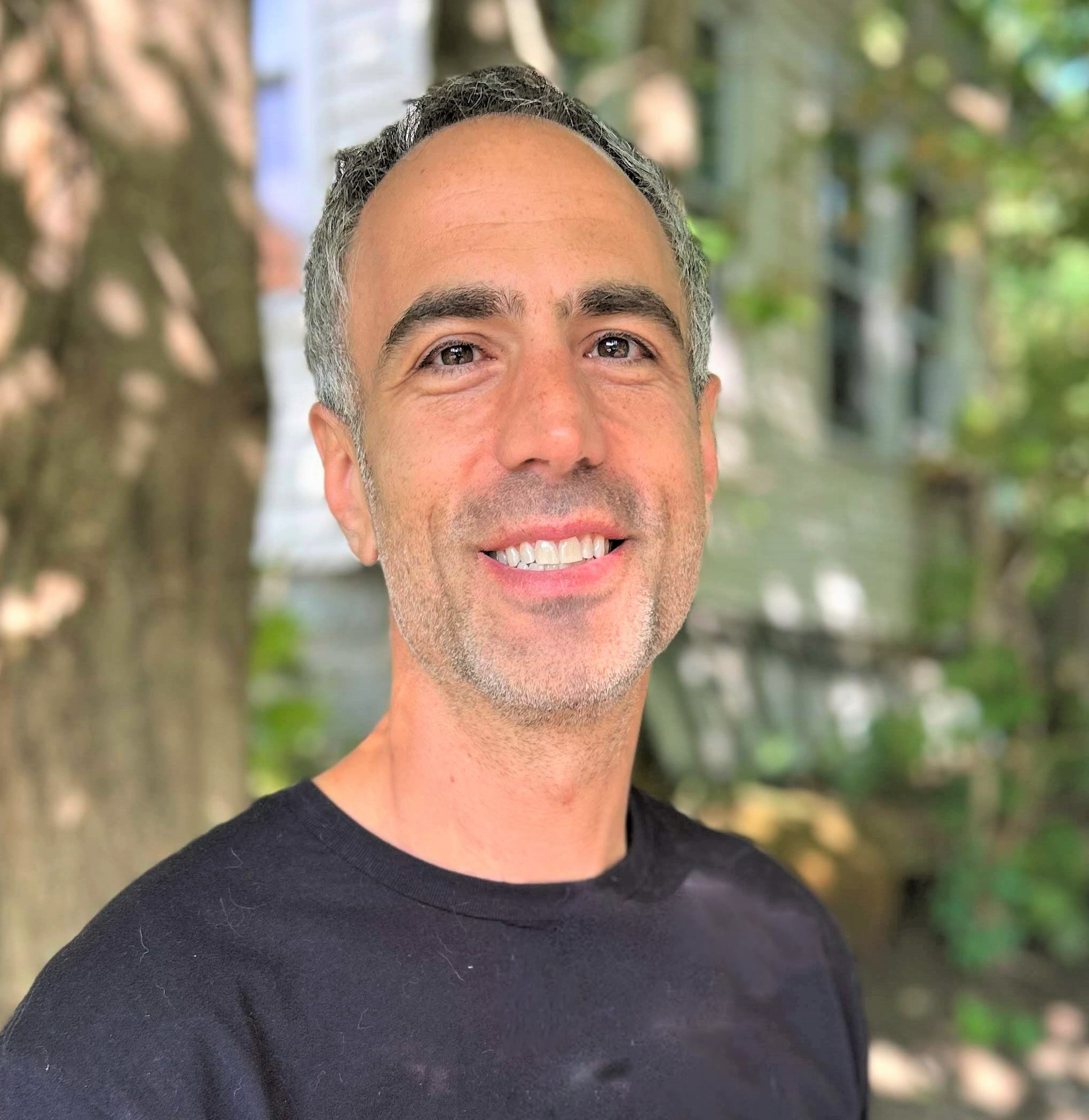 JUSTIN KOLBER is a recovered ripped dude, an athlete, activist, and author of Ripped, the first memoir about the dual extremes of muscle and food disorders. Read more at Slate, Newsweek, The Good Men Project, Open Secrets, The Haven, Greener Pastures and free newsletter at justinkolber.substack.com