2025 was another fantastic year for literature, and the team at MAYDAY enjoyed classics and new publications alike. Every year, we survey the team to see what their favorite books of the year, whether they’re new releases or just new to them. And this year, we had the privilege of welcoming in new team members. If you’re looking for new suggestions—or you just want to see what we’re reading—here are some of our editors’ favorite reads from 2025.
Naomi Wilson, Poetry Editor
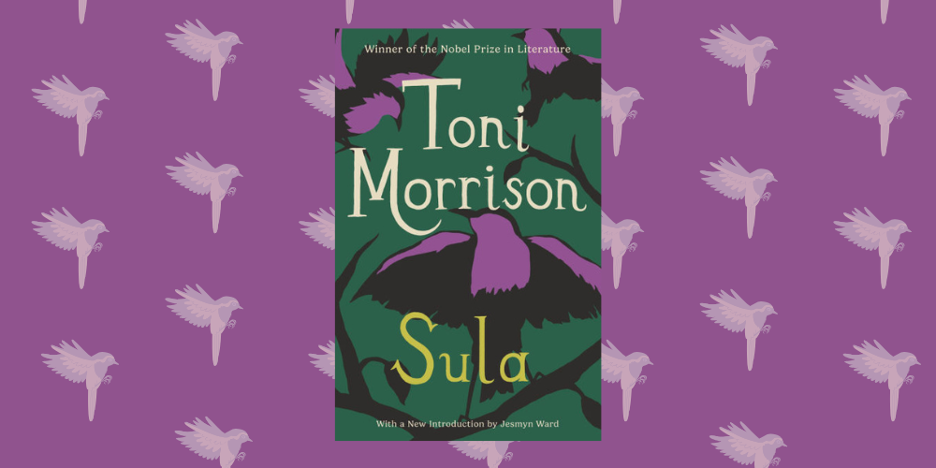
Sula by Toni Morrison (1973, fiction, 192 p, published by Knopf)
The best thing I read this year was Sula by Toni Morrison. Deceptively short, this novel is rich and layered in a way only Morrison can manage. Set in a small town, it’s interested in small town ambiguity: moral, emotional, social. Sula herself resists easy judgment, and so does the book.
What stayed with me most was Morrison’s attention to how girls grow up when they’re surrounded by very limited ideas of what they’re allowed to become, how they often end up raising one another within those constraints. The relationship between Sula and Nel is weird, tender, volatile, and formative, shaped as much by love as by difference. Morrison never judges her characters; she lets them be as close to human as possible; flawed, curious, selfish, generous, even cruel, and gives the reader space to consider them without instruction.
As always, it’s Morrison’s prose that stops me short. Her language is lyrical but frank, grounded yet mythic, capable of rendering devastation in sentences so beautiful you have to reread them just to believe what you’ve encountered. In Sula, beauty and brutality are never separate; they exist in the same breath. –Naomi Wilson
Clement Obropta, Culture Editor
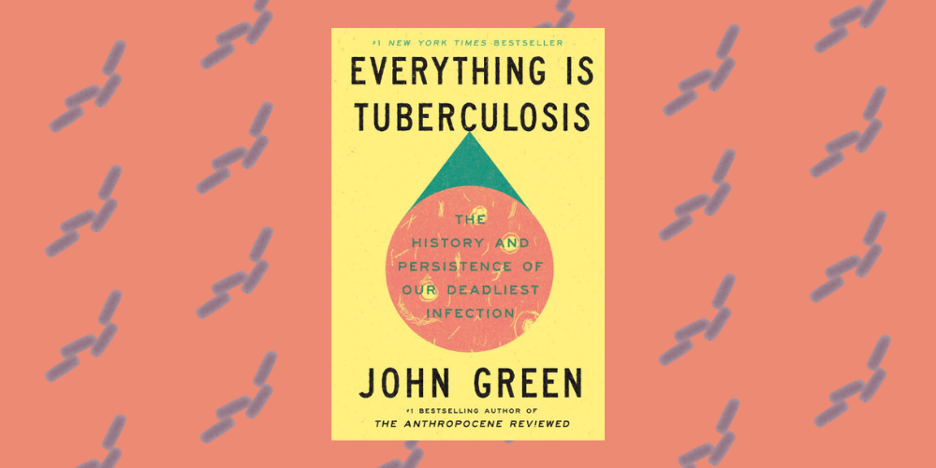
Everything Is Tuberculosis: The History and Persistence of Our Deadliest Infection by John Green (2025, historical medical nonfiction, 208 p, published by Penguin Young Readers Group)
John Green has always been a tremendous mind, and his creativity, whimsy, and dedication to intelligent emotional storytelling have made him one of the foremost voices of the 2010s YA craze. Now, he’s continued pursuing his obsessions in other modes—namely his 2025 book, Everything Is Tuberculosis, his second non-fiction title after the 2021 essay collection The Anthropocene Reviewed.
Green narrates his own audiobook—that’s how I engaged with the text, which uses Green’s germophobia as the foundation for a stirring and compelling history of tuberculosis combining society, geopolitics, and culture. At one point, Green relates the story of a young girl in a sanatorium suffering from TB. The only thing that keeps her going is the hope of reuniting with her sibling at home, and they write each other as often as possible. But when the sibling dies while the sister is still in hospice, the father, rather than break the news to his daughter, continues writing letters to her, pretending to be his dead child. I’ve never sobbed so hard at a book. –Clement Obropta
Jo Ferriera, Fiction Editor
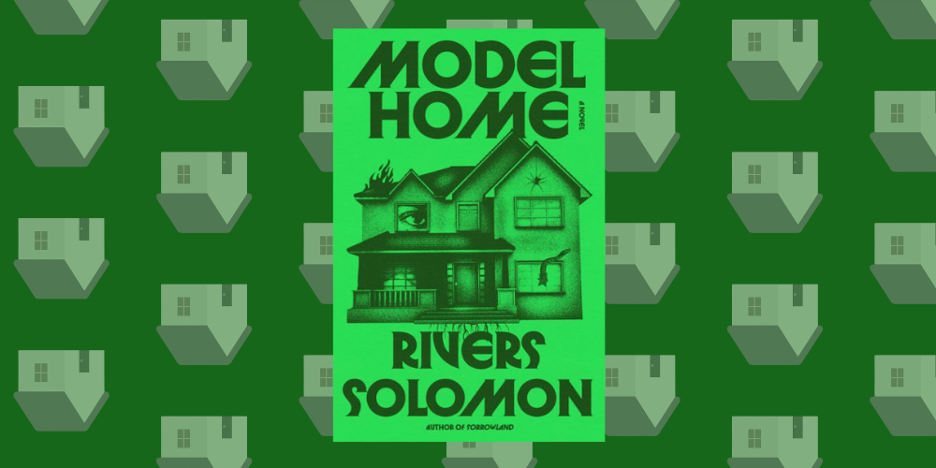
Model Home by Rivers Solomon (2024, horror, 304 p, published by Farrar, Straus and Giroux)
The Maxwell siblings return to their childhood home, 677 Acacia Drive, after their mother and father’s apparent suicides. The narrative goes back and forth in time, between Ezri’s unaccountable (and unreliable, even in their own opinion) recollection of childhood in 677, and the Maxwell siblings today, with careers and children of their own, coping with this sudden and horrible intrusion on the lives they’ve tried to build for themselves.
This book is a horror/thriller, but it is also an embarrassing diary entry, thrusting two disparate but equally familiar adolescent experiences into the piercing light of day. Sad gay white kids of past decades’ gloaming teen media were like paper idols in my own childhood, unthreatening and enjoyable, and at times, aspirational because it was separate from me and my experience in a lot of ways. As I read Model Home, I found myself empathizing with the kneejerk cringe reaction to things that are a mirror of your unpleasant youth. This book is like a reflection and a forecast: queer Black youth and queer Black adulthood, parenthood, future.
However, while the character writing is exceptionally good, it’s best to approach Model Home as a sort of fictionalized analysis of gender, race, and the supernatural. In some ways, it feels like an essay in prose. –Jo Ferriera
Read Jo’s full review at Malevolent Dark
Nikki Palladino, Managing Editor
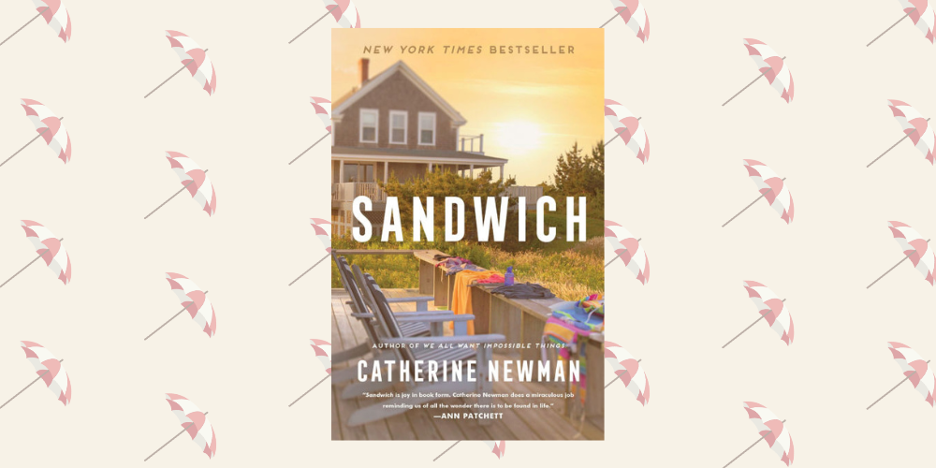
Sandwich: A Novel by Catherine Newman (2025, fiction, 240 p, published by HarperCollins)
As heartwarming as it is honest, Catherine Newman’s Sandwich is nourishment in novel form.
Visit Cape Cod with Rocky and her husband, their two adult children, and her aging parents, who, for one week each summer, rent an ancient cottage together in Cape Cod, Massachusetts. Usually, a welcome “escape” for everyone, as tales emerge about Rocky’s past and her parent’s future, some more digestible than others, the family must dig in to find a way forward. –Nikki Palladino
Lisa Ströhm Winberg, Culture Editor
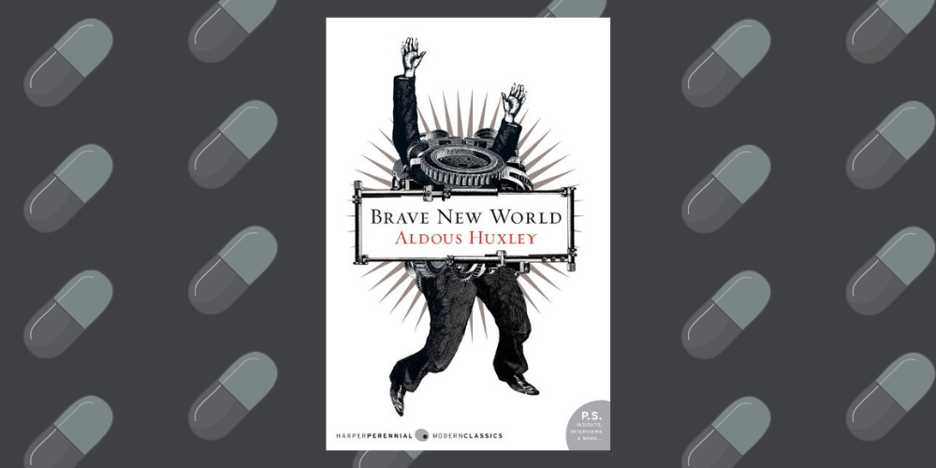
Brave New World by Aldous Huxley (1932, dystopian fiction, 311 p, published by Chatto & Windus)
“You can’t consume much if you sit still and read books.”
– Aldous Huxley, Brave New World
“There must be something in books, things we can’t imagine, to make a woman stay in a burning house; there must be something there. You don’t stay for nothing.”
– Ray Bradbury, Fahrenheit 451
During the summer of 2025, me and my father decided to start a two-person book club. It was a fairly spontaneous decision that became a fairly spontaneous process. We chose the books randomly, yet a theme slowly developed over time, and we discussed the books haphazardly over the phone.
Our first read was Brave New World by Aldous Huxley. Written in 1932, the dystopian novel is set in a futuristic society governed by The World State. The citizens of the state are genetically engineered, designed before birth, so that the state can maintain social stability and control. Everyone in the orderly world is conditioned from birth and kept docile through pleasure, consumerism, and their daily intake of the happiness-inducing drug Soma.
The story follows Bernard Marx, an Alpha of the highest caste, who considers himself an outcast, and John “The Savage.” John has grown up in a primitive reservation camp in New Mexico, outside the orderly world. As Bernard stumbles upon John in the jungle, he decides to bring John back to London with him, as a trophy. John’s exposure to The World State reveals its superficial happiness, moral emptiness, and the staggering cost of sacrificing humanity, individual freedom, and truth.
Brave New World is my favorite read of 2025 as the parallels to our current sociological, cultural and global state is undeniable. We might not ingest Soma on the daily, but most of us instantly look at our phone when we need a dopamine hit. Happy, sad, confused, excited or embarrassed, just pop a digital Soma and forget for a while. Let the algorithm condition you. Buy the latest trends advertised directly to you on social media, it will make you happy, it will make you belong. If you are looking for pleasure, there’s always Only Fans, Hinge and Tinder. All at an arm’s length. Pleasure, consumerism and dopamine. Repeat, repeat, it’s an endless cycle.
After finishing reading Brave New World, me and my father read Fahrenheit 451, 1984, We and Kallocain: all dystopian classics. What I gained from reading these books were four major insights. Firstly, how facism and communism are two sides to the same coin, they’re both totalitarian regimes with no individual freedom. Secondly, it’s important not to flip said coin—one has to melt it. Thirdly, technology and shallow entertainment make people stop reading on their own accord, and this is dangerous. Fourth, governments will ban books and rewrite history to protect themselves and govern their interests. And all of this is happening right here, right now, as you read this. It’s actually fairly defiant and rebellious of you to read these words, even though they are presented to you on a screen.
It’s frightening how the writers of these books, no matter how abstractly, managed to predict the current dystopian world we live in. Was it a prediction, though? Or did they experience the world just the same? –Lisa Ströhm Winberg
CLEMENT TYLER OBROPTA is a culture editor at MAYDAY. He studied film at Ithaca College and the University of St Andrews, and his work can also be found with Film Inquiry, IndieWire, and Film Daze. He is also the regular film columnist at the Ithaca Times and runs a Substack devoted to Palestinian cinema.
